
Careful, considered ecological advice
Biodiversity specialists covering London & the South East, helping you meet your ecological responsibilities with tailored surveys and reporting.
Small-to-medium sized project experts
aLyne Ecology is founded on a key belief: doing the right thing for nature matters.
By swiftly mobilising our close-knit team of ecologists, and using the most up-to-date survey equipment and streamlined in-house processes, we ensure both success for your project & beneficial ecological outcomes.
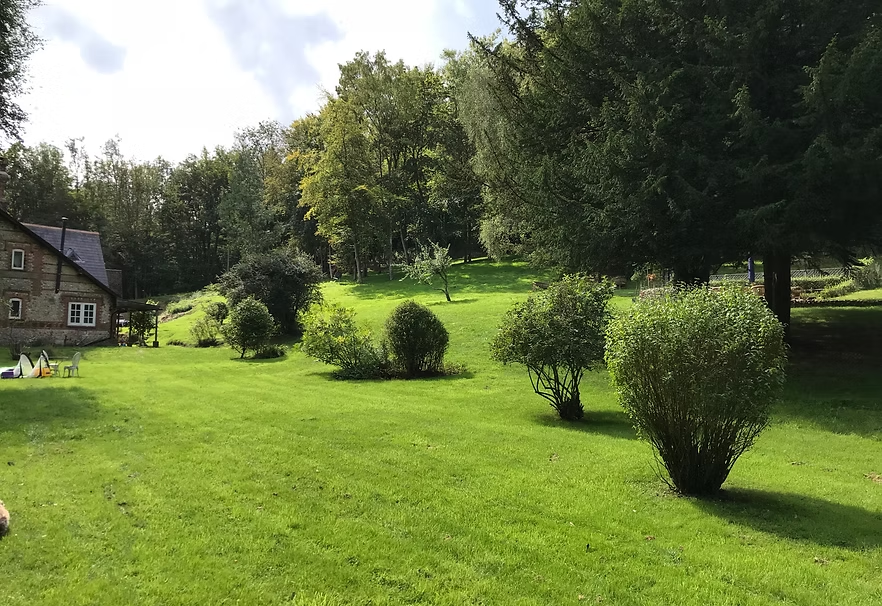
If you need to submit a planning application, our PEA service can help you get a comprehensive assessment of potential impacts and required species surveys in 3-5 working days.
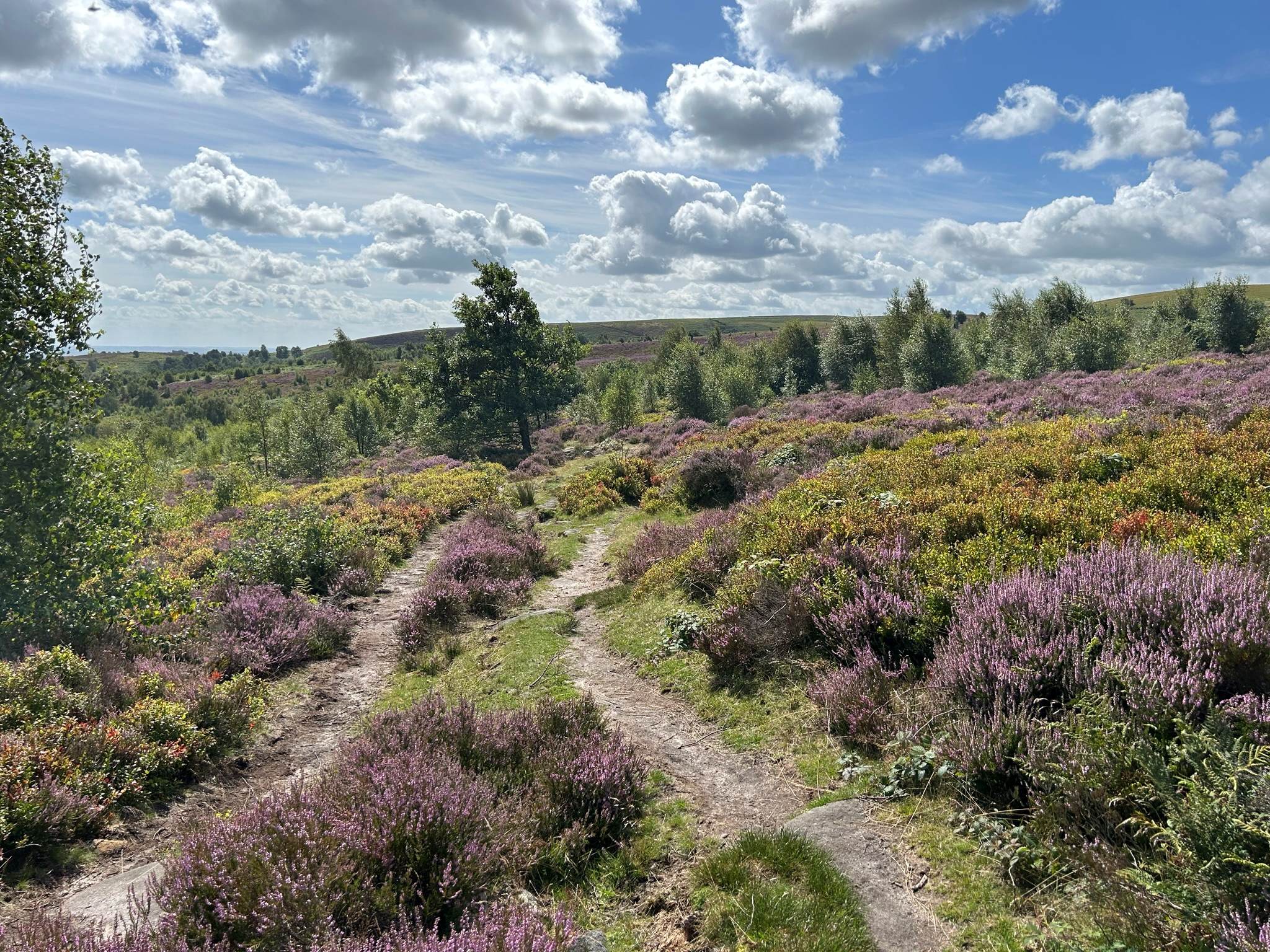
Our experts have been carrying out BNG Assessments since the Defra Biodiversity Metric was introduced. We’ll provide clear, expert guidance on achieving biodiversity net gain on or off-site.
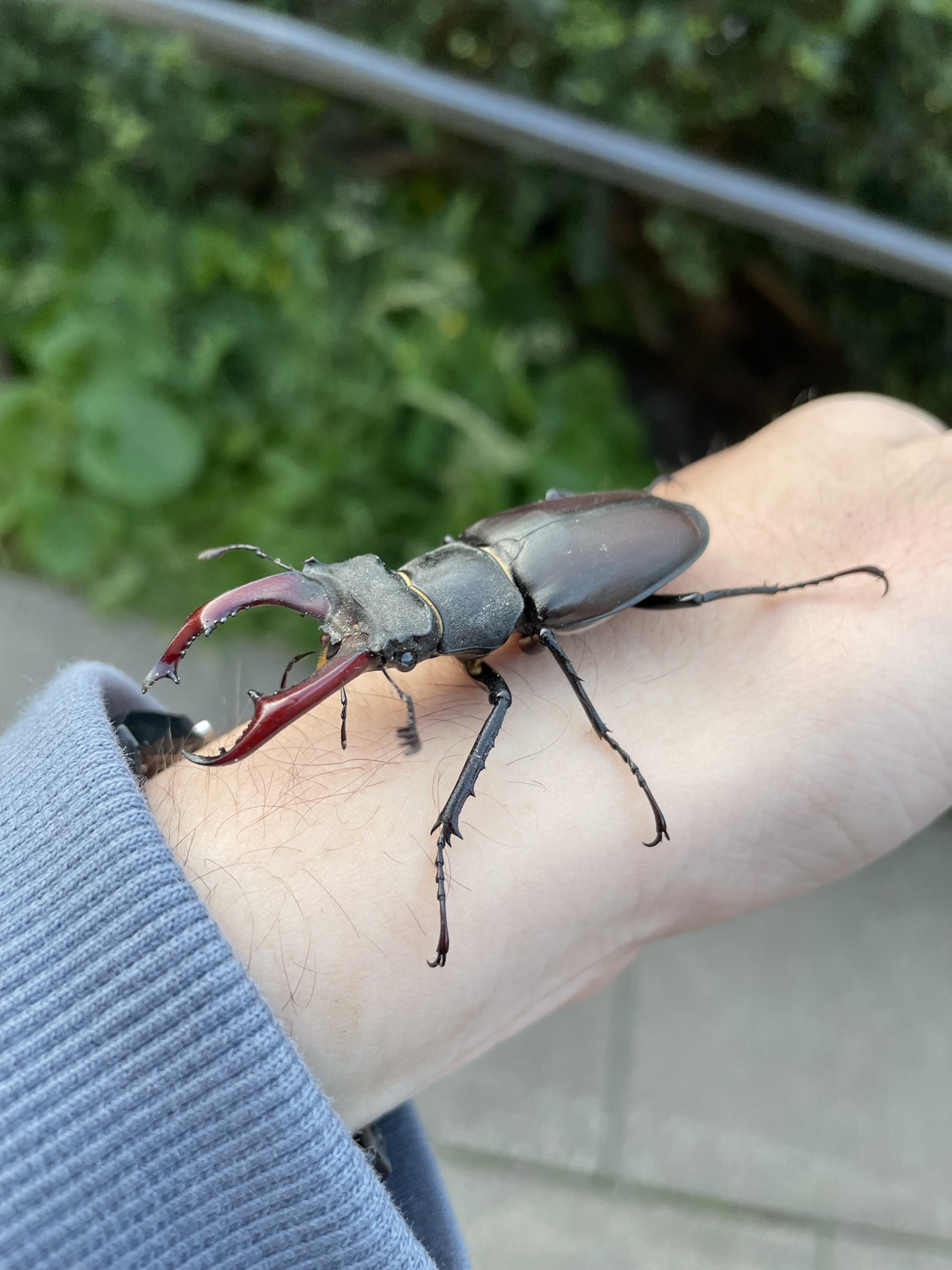
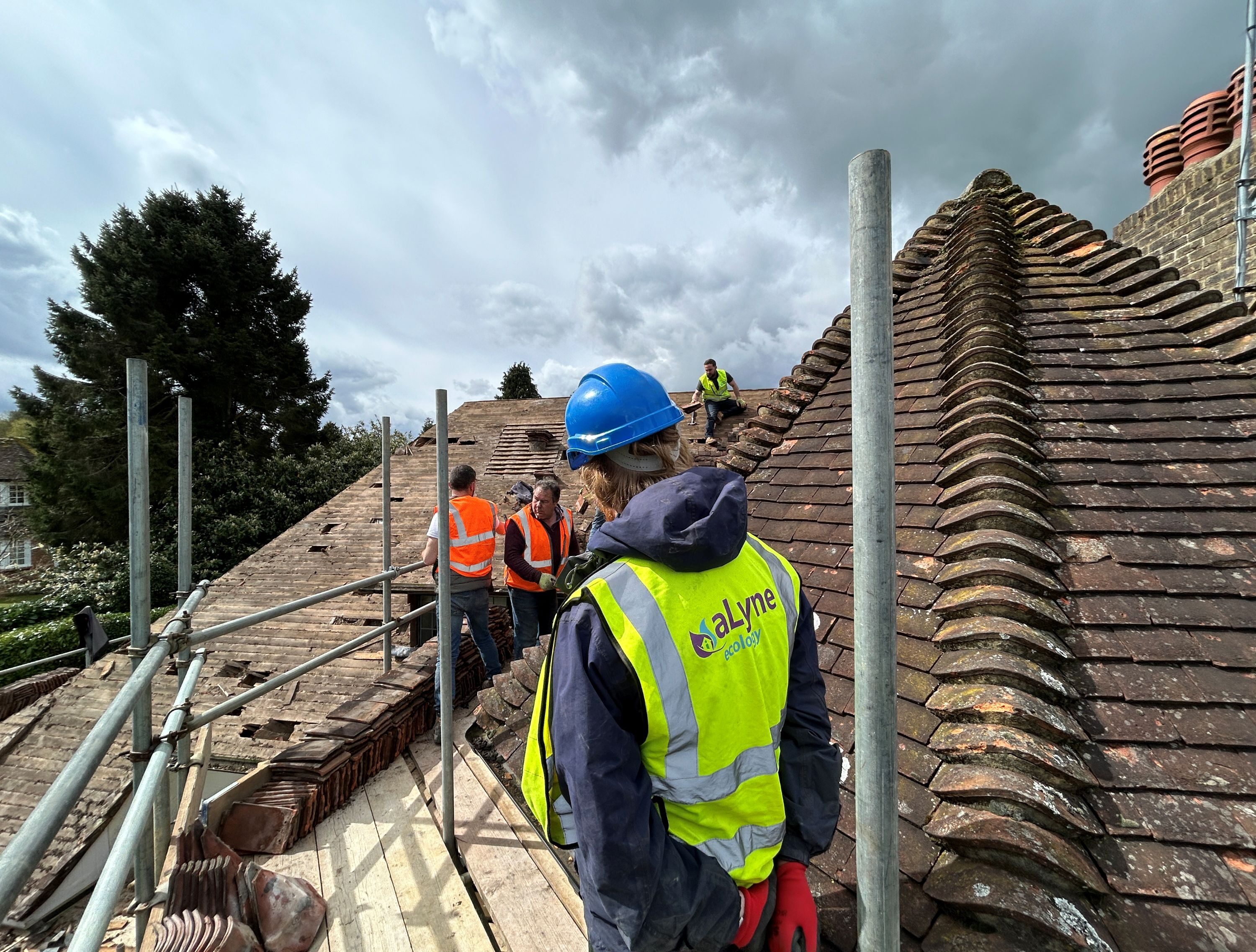
An Ecological Clerk of Works (ECoW) may be recommended to oversee site clearance works which could result in harm to protected species such as common toads and stag beetles.

A badger survey will determine the presence or absence of this protected species on your site, identifying signs including footprints, sett entrances and snuffle holes.
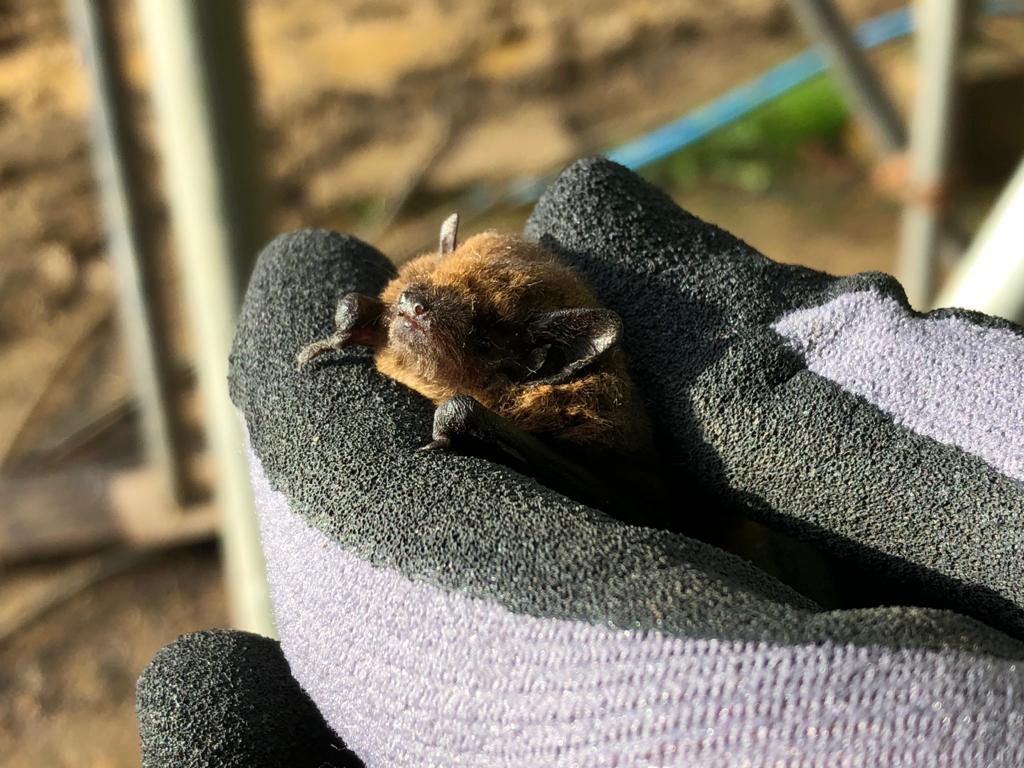
Our bat surveys are conducted by experienced ecologists and Accredited Agents with a Class 2 bat survey licence, determining the presence and activity of bats on your site.
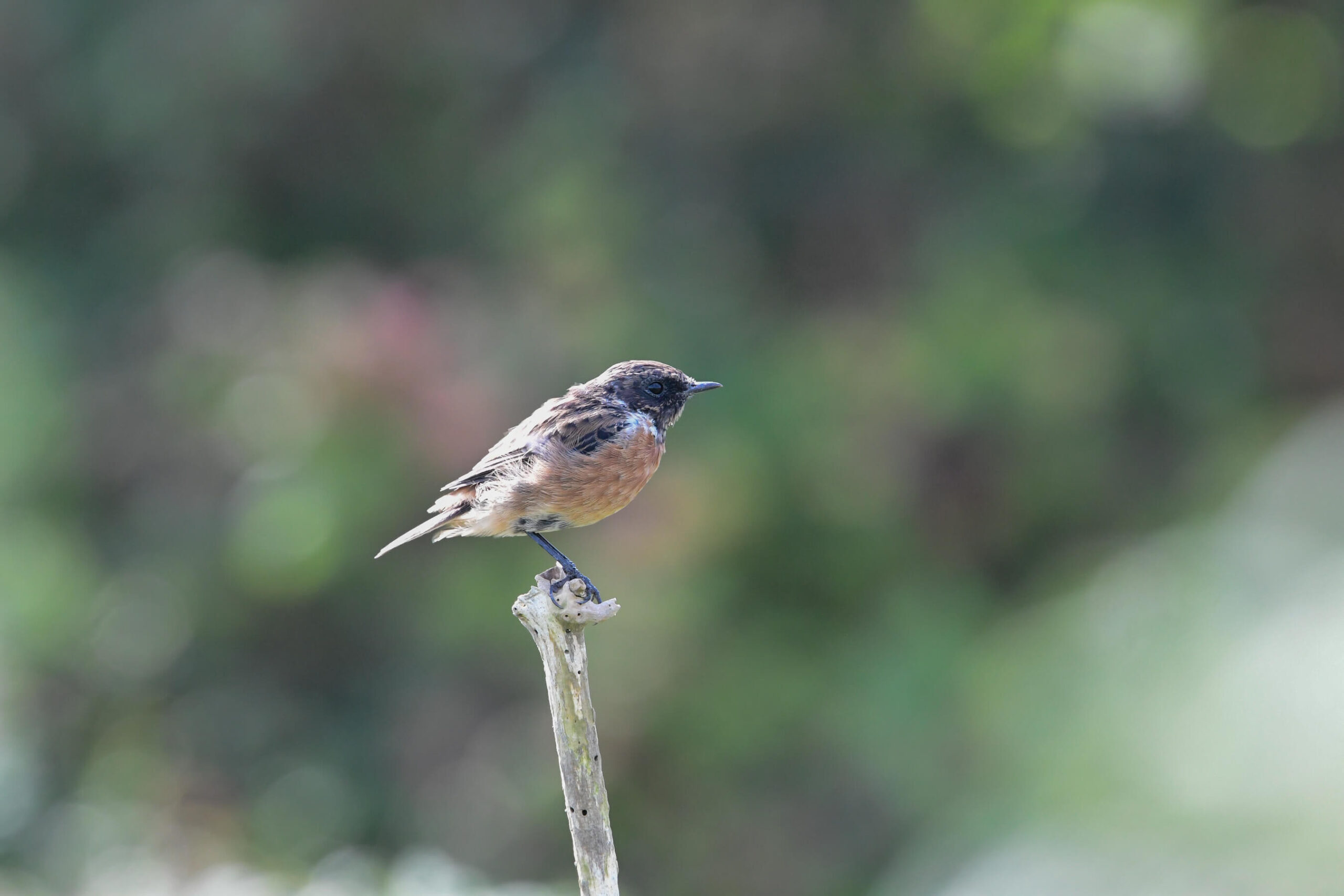
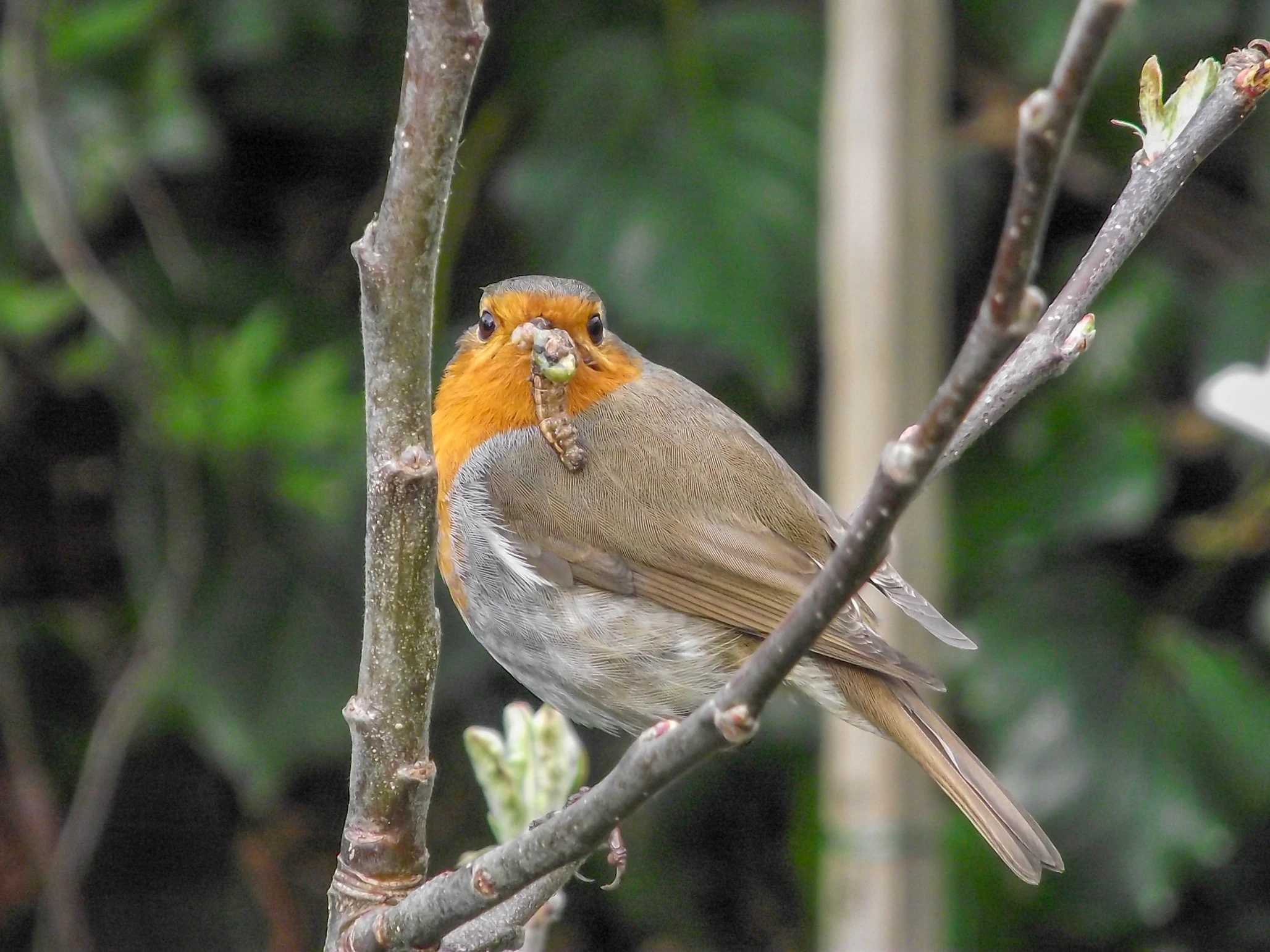
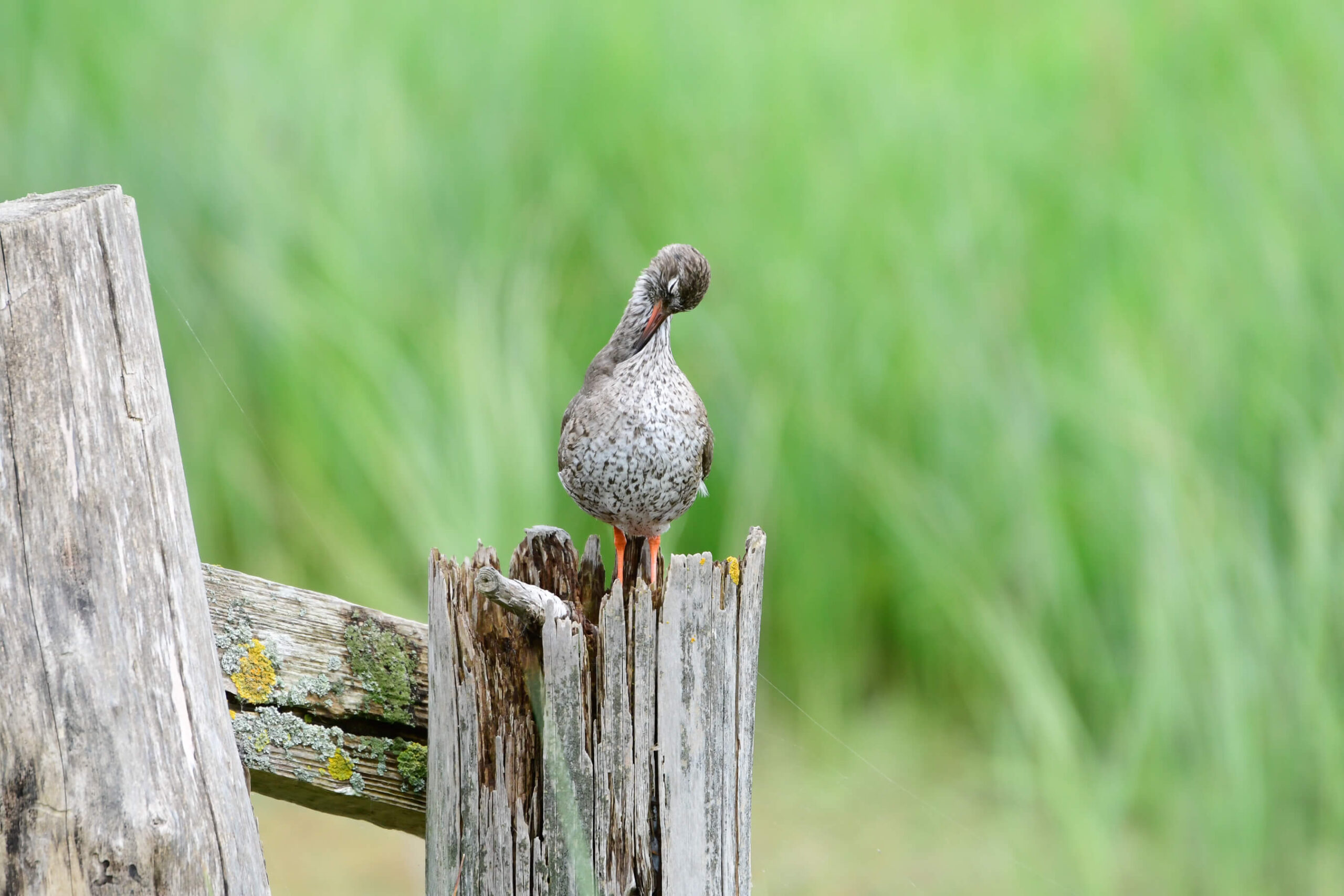
Nesting, breeding and wintering bird surveys are conducted by suitably experienced ecologists to determine how protected birds are using a proposed development site.
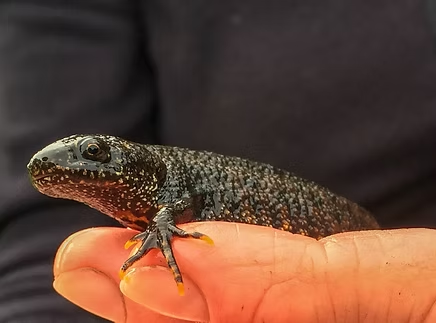
GCN surveys are conducted by ecologists with at least a Class 1 Great Crested Newt Survey Licence, and involve thorough methods to determine the presence of this protected species.
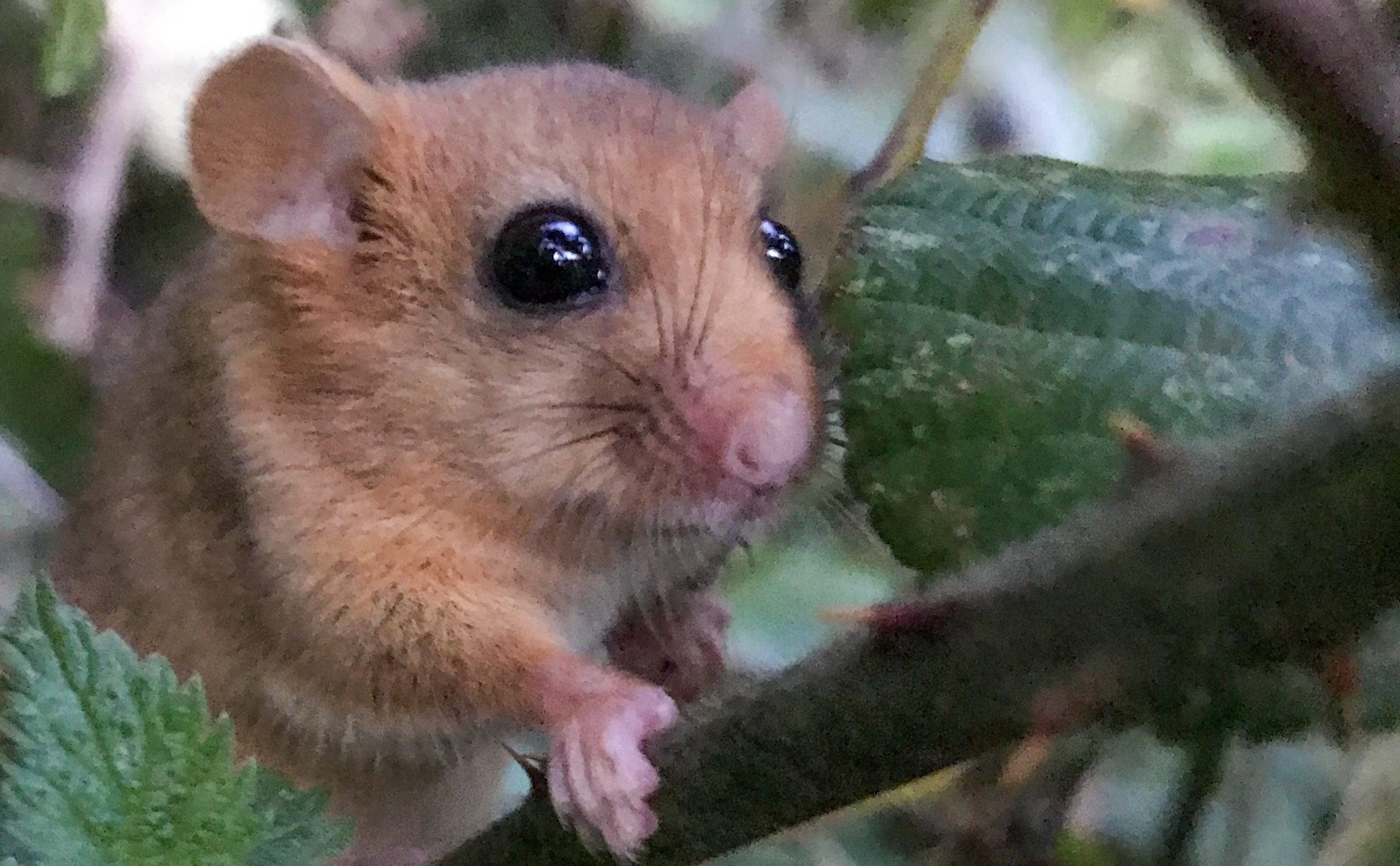
Hazel dormouse surveys establish whether this rare and highly protected species is present on your site through methodologies such as nut searches and nest tube surveys.
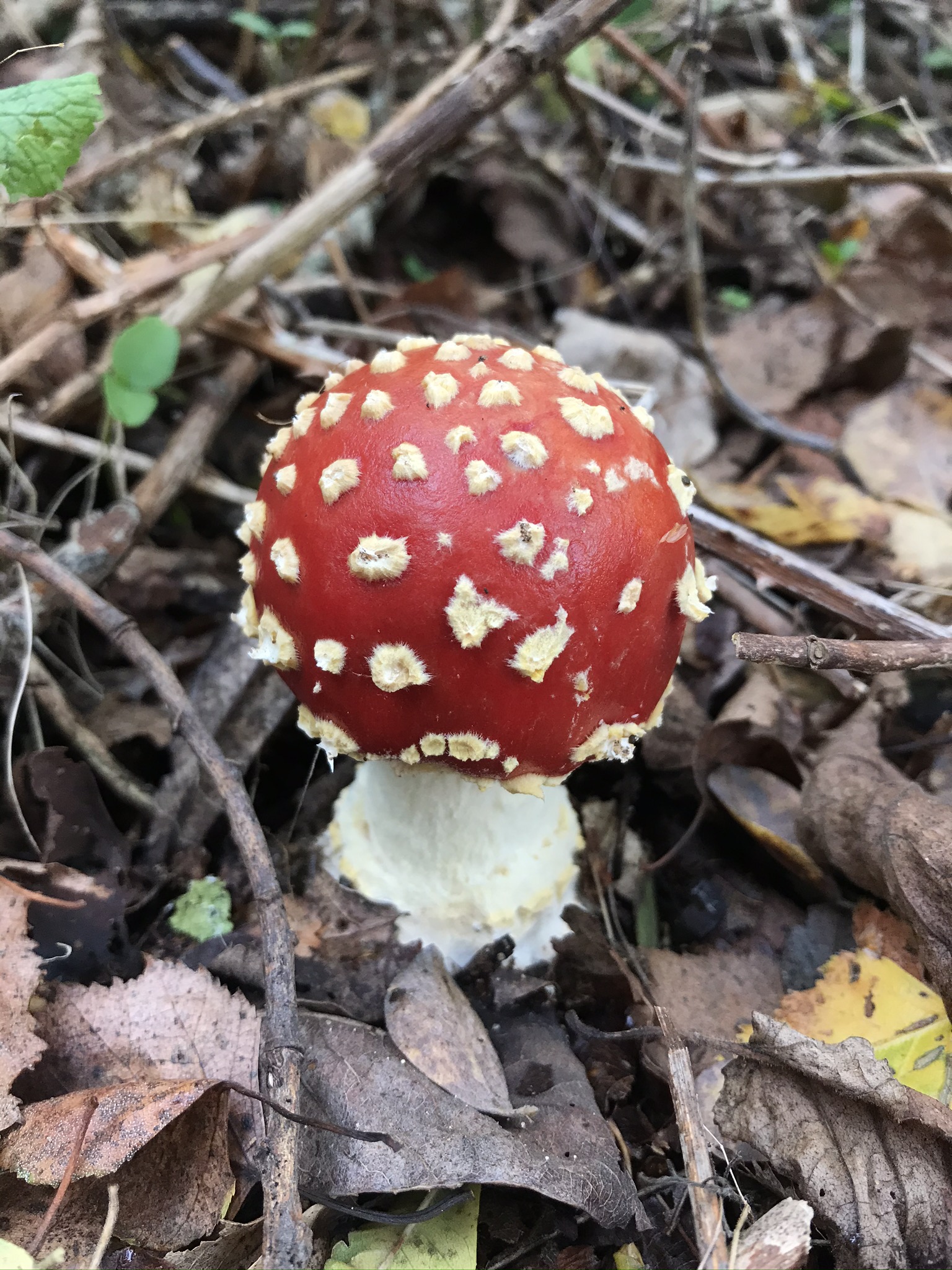
NVC surveys are detailed assessments to classify and describe plant communities on-site. Our team includes a FISC 3 ecologist and we have a strong knowledge of plant ID in neutral and chalk habitats.
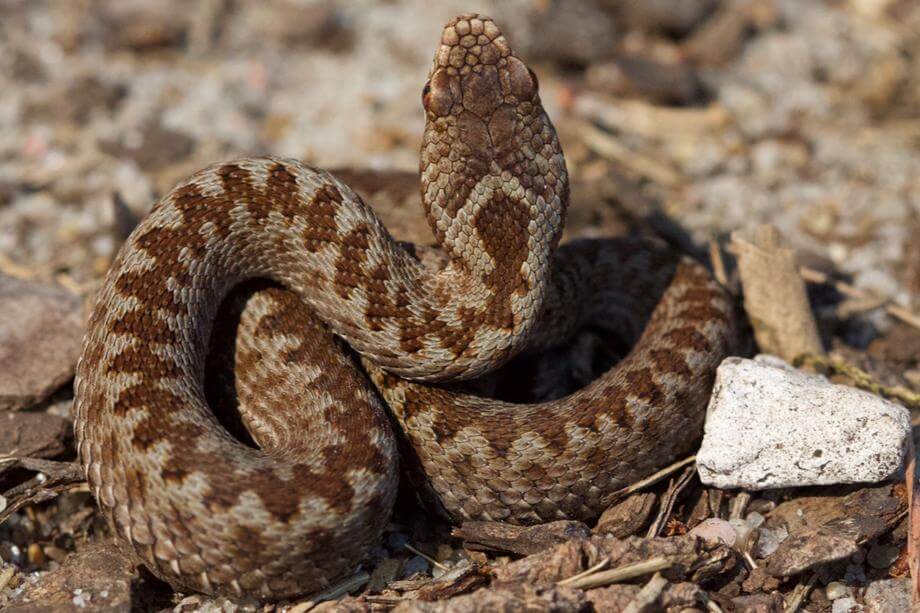
Reptile surveys are carried out by suitably qualified ecologists, providing clarity on the presence or absence of reptiles on your site and overseeing responsible translocation if required.
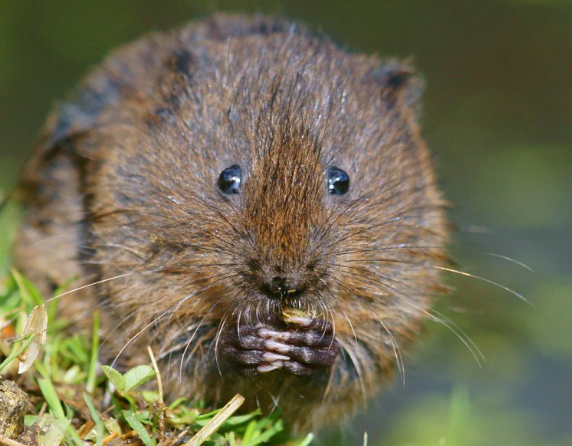
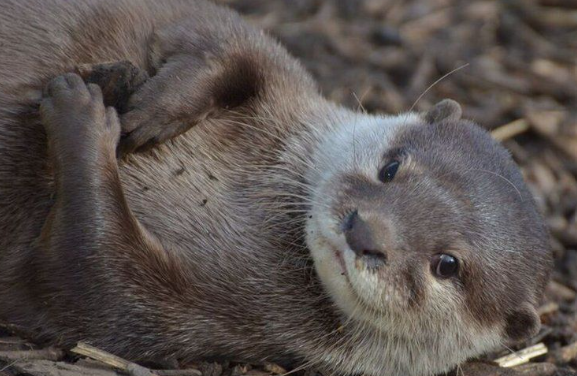
Water vole and otter surveys establish how these protected species are using watercourses and nearby land on development sites, proposing further impact assessments if required.
Preliminary Ecological Appraisals
If you need to submit a planning application, our PEA service can help you get a comprehensive assessment of potential impacts and required species surveys in 3-5 working days.
Biodiversity Net Gain
Our experts have been carrying out BNG Assessments since the Defra Biodiversity Metric was introduced. We’ll provide clear, expert guidance on achieving biodiversity net gain on or off-site.
Ecological Clerk of Works
An Ecological Clerk of Works (ECoW) may be recommended to oversee site clearance works which could result in harm to protected species such as common toads and stag beetles.
Badgers
A badger survey will determine the presence or absence of this protected species on your site, identifying signs including footprints, sett entrances and snuffle holes.
Bats
Our bat surveys are conducted by experienced ecologists and Accredited Agents with a Class 2 bat survey licence, determining the presence and activity of bats on your site.
Birds
Nesting, breeding and wintering bird surveys are conducted by suitably experienced ecologists to determine how protected birds are using a proposed development site.
Great Crested Newts
GCN surveys are conducted by ecologists with at least a Class 1 Great Crested Newt Survey Licence, and involve thorough methods to determine the presence of this protected species.
Hazel Dormice
Hazel dormouse surveys establish whether this rare and highly protected species is present on your site through methodologies such as nut searches and nest tube surveys.
National Vegetation Classification
NVC surveys are detailed assessments to classify and describe plant communities on-site. Our team includes a FISC 3 ecologist and we have a strong knowledge of plant ID in neutral and chalk habitats.
Reptiles
Reptile surveys are carried out by suitably qualified ecologists, providing clarity on the presence or absence of reptiles on your site and overseeing responsible translocation if required.
Water Voles & Otters
Water vole and otter surveys establish how these protected species are using watercourses and nearby land on development sites, proposing further impact assessments if required.
Why choose aLyne Ecology for your survey?
Our ecology consultancy combines technical rigour with a responsive, well-organised approach, delivering efficient surveys without compromising on quality. With over 20 years’ experience, you’ll receive clear, concise ecological advice tailored to your project and needs.

Quick turnaround
Following survey completion, we can offer an efficient, reliable turnaround of 3-5 working days on protected species reports.

Streamlined process
Our small team and organised in-house processes mean we can quickly mobilise, keeping projects moving without unnecessary delay.

Fully compliant reports
All of our reports meet the surveys standards set out by CIEEM and BS 42020, giving you peace of mind when submitting applications.

Friendly, expert team
Our ecologists are fully-trained, friendly & experienced. We’re dedicated to delivering the best outcomes for your project & nature.
Meet our team of ecologists
We’re a small, close-knit bunch of fully qualified ecologists. We love the work we do and we do it well!
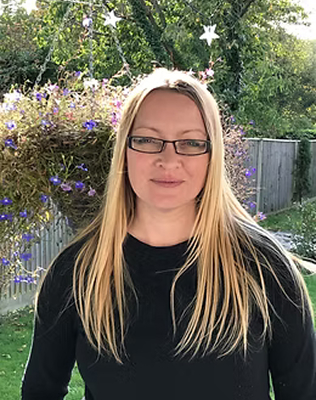
Sarah Lyne

Charlie Gardiner
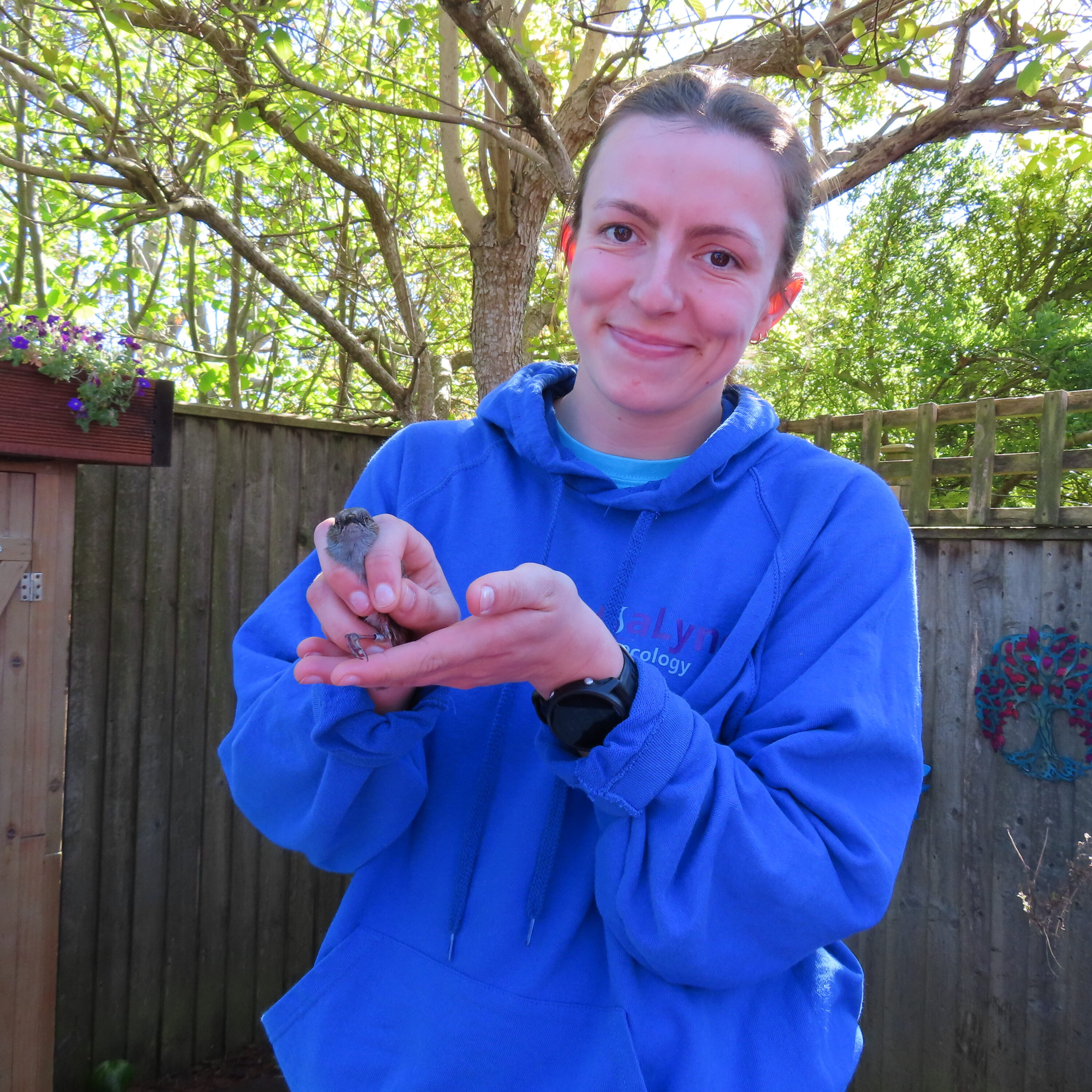
Holly Brown
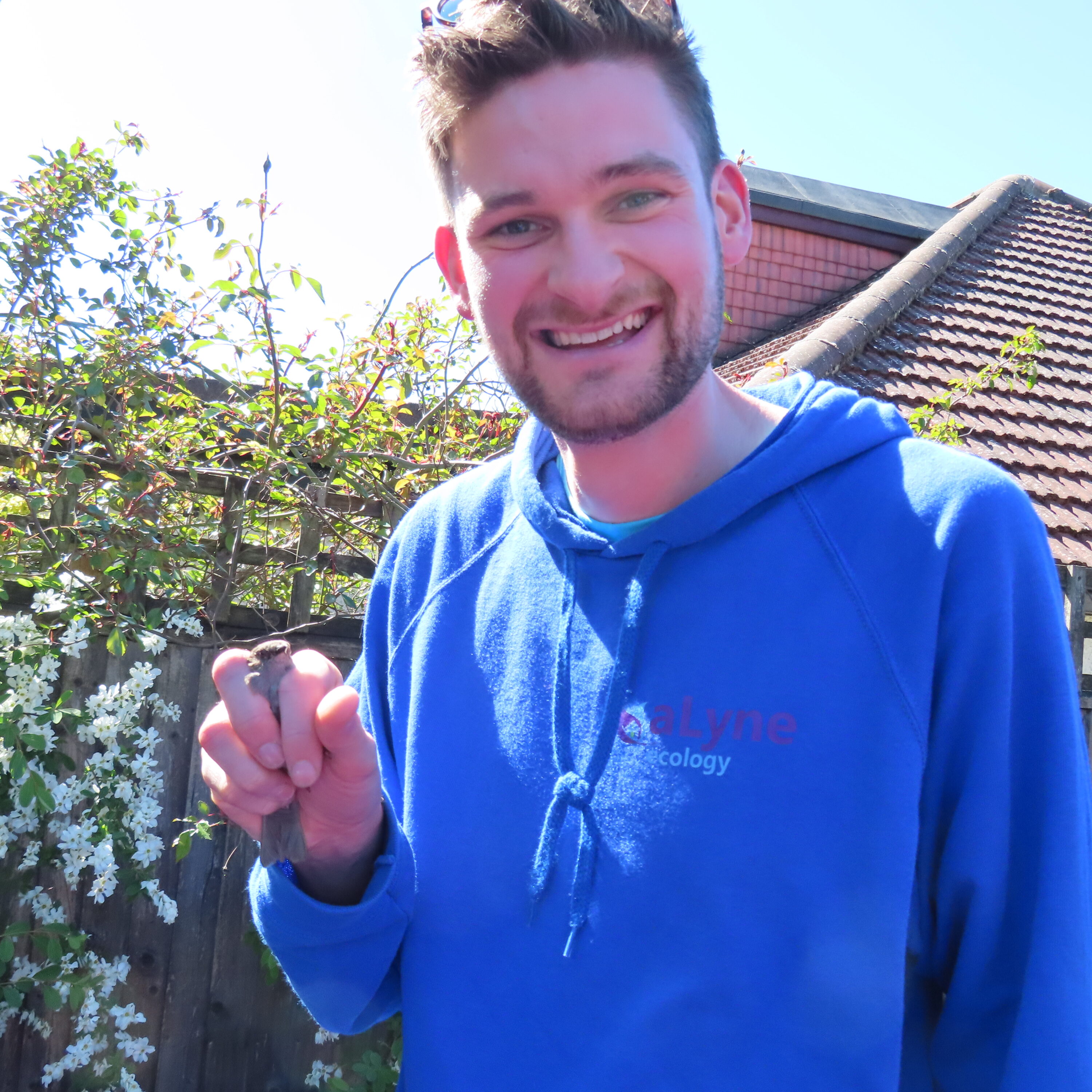
Taylor Mee
Featured service: Bat Surveys
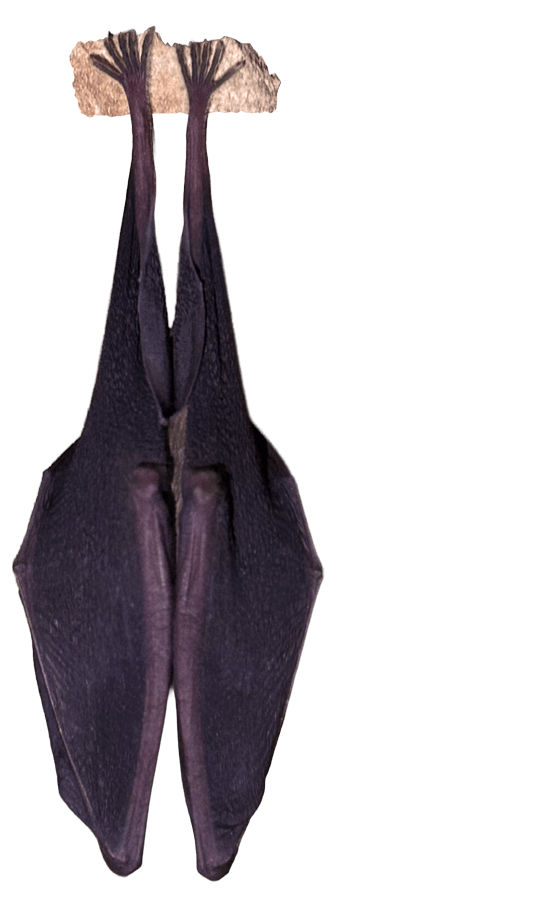
Preliminary Roost Assessments (PRA)
PRAs analyse the details of a building to assess the likelihood of bats being present. They check for possible entry points, evidence of bat activity and suitability for supporting bats.
Ground Tree Level Assessments (GLTA)
A Ground Tree Level Assessment determines if a tree is currently being used, or could potentially be used, by roosting bats. This involves inspecting the tree from the ground for Potential Roosting Features.
Dusk Emergence Surveys
A Dusk Emergence Survey begins 15 minutes prior to sunset and continues for 1.5 hours. Surveyors equipped with a night vision camera, an infrared light and a bat detector observe the building for any bats entering or emerging from the structure.
Bat Activity Surveys
Over the course of 7-14 visits, ecologists walk a transect route and take note of all evidence of bat activity on site, particularly in areas where bats are likely to forage and commute.
European Protected Species Licence
You’ll need a licence if your work impacts a European Protected Species like bats. Otherwise, any work conducted is illegal. We can help you obtain this licence and avoid any complications.
Hibernation Surveys
Qualified ecologists with a Class 2 bat survey licence will use static bat detectors in areas of the structure with suitability for hibernating bats. They will also check crevices and cracks for evidence of winter hibernating bats.
How it works
We make getting started as easy as possible, helping to keep your project moving forwards. Here’s how our ecological services usually work:

01
Get in touch with us
Get the ball rolling by sending us an enquiry detailing your project, requirements and the likely timescale using our online form. You can also call or email us directly via our contact page.

02
Quote & survey scheduled
We’ll answer all quote requests within 24 hours, advising on your survey requirements and organising a convenient time for our qualified ecologists to attend your site.

03
Report delivery
Once your survey is complete, we’ll write a comprehensive report including our findings and recommendations, aligned with current standards and guidelines.

04
Ongoing support
Our experienced ecologists can work with you throughout the duration of your project to ensure continued compliance and quote for any further surveys, which may be required.
01
Get in touch with us
Get the ball rolling by sending us an enquiry detailing your project, requirements and the likely timescale using our online form. You can also call or email us directly via our contact page.
02
Quote & survey scheduled
We’ll answer all quote requests within 24 hours, advising on your survey requirements and organising a convenient time for our qualified ecologists to attend your site.
03
Report delivery
Once your survey is complete, we’ll write a comprehensive report including our findings and recommendations, aligned with current standards and guidelines.
04
Ongoing support
Our experienced ecologists can work with you throughout the duration of your project to ensure continued compliance and quote for any further surveys, which may be required.
Clients we’ve worked with




Useful resources
View all resources| Type | Date | Title | Access |
|---|---|---|---|
| Blog | 2024 | What is a Breeding Bird Survey? | Read |
| Blog | 2024 | What is a Dusk Emergence Survey? | Read |
| Blog | 2024 | What is a Great Crested Newt eDNA Survey? | Read |
| Blog | 2026 | What is a Great Crested Newt Population Survey? | Read |
| Blog | 2026 | What is a Hazel Dormouse Presence/Absence Survey? | Read |
| Blog | 2026 | What is a National Vegetation Classification? | Read |
| Blog | 2021 | What is a Preliminary Ecological Appraisal? | Read |
| Blog | 2023 | What is a Preliminary Roost Survey? | Read |
| Blog | 2024 | What is a Reptile Presence/Absence Survey? | Read |

What is a Breeding Bird Survey?
Date: 2024
Type:
Read
What is a Dusk Emergence Survey?
Date: 2024
Type: Blog
Read
What is a Great Crested Newt eDNA Survey?
Date: 2024
Type: Blog
Read
What is a Great Crested Newt Population Survey?
Date: 2026
Type: Blog
Read
What is a Hazel Dormouse Presence/Absence Survey?
Date: 2026
Type: Blog
Read
What is a National Vegetation Classification?
Date: 2026
Type: Blog
Read
What is a Preliminary Ecological Appraisal?
Date: 2021
Type: Blog
Read
What is a Preliminary Roost Survey?
Date: 2023
Type: Blog
Read
What is a Reptile Presence/Absence Survey?
Date: 2024
Type: Blog
Read